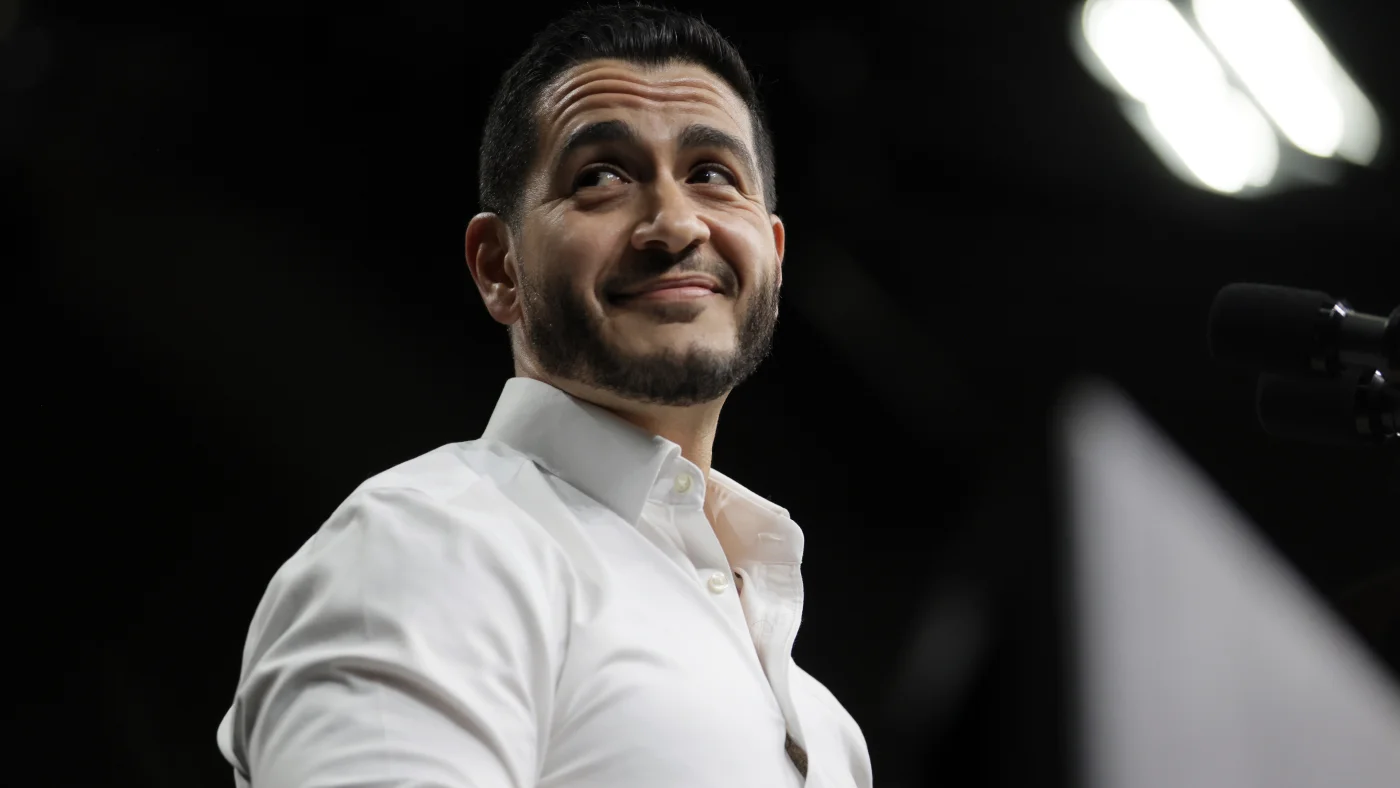
In a significant political development, Democrat Abdul El-Sayed has emerged victorious in the U.S. Senate election in Michigan, marking a historic moment as he becomes the first Muslim American to serve in the Senate. This closely watched race in the perennial Midwest battleground state tested the appeal of an anti-establishment candidate on the left, and El-Sayed's win is a testament to his ability to galvanize young and infrequent voters.
A Historic Victory
The 42-year-old former public health official, who previously served as the head of the health departments in Wayne County and Detroit, defeated former Republican Rep. Mike Rogers. El-Sayed's campaign focused on issues such as passing single-payer healthcare and reducing corporate influence in politics, which resonated with voters concerned about the cost of living and corruption.
Despite not identifying as a democratic socialist, El-Sayed's campaign attracted support from prominent figures on the political left. However, his positions on Israel caused controversy, particularly after a truck-ramming attack at a synagogue preschool in metro Detroit, for which he later apologized. This, along with his association with controversial left-wing streamer Hasan Piker, became a focal point during the heated primary contest.
A Contentious Primary
The primary race was a tight one, with El-Sayed narrowly defeating Rep. Haley Stevens by approximately 1 percentage point. Notably, Michigan Governor Gretchen Whitmer and retiring Senator Gary Peters backed Stevens, underscoring the divisions within the Democratic coalition in the state. The primary became a proxy for broader debates about the direction of the Democratic Party, especially after two years out of power.
In a surprising turn of events, Stevens endorsed Rogers in the general election's closing days, despite initially pledging support for the Democratic ticket. This move highlighted the challenges of uniting the Democratic coalition in Michigan. Polls showed a tight race with Rogers, even though Democrats had held the Senate seat since 1979.
A New Voice in the Senate
El-Sayed's victory is significant not only for his policy positions but also for his identity. As the first Muslim American senator, he brings a unique perspective to the legislative body. His win is a testament to the changing demographics and political landscape in Michigan and the nation.
During the campaign, El-Sayed faced Islamophobic rhetoric from his opponent and other Republicans, including President Trump, who endorsed Rogers early on. Despite this, El-Sayed's message resonated with voters, and he secured a win in a state that has been a key player in the presidential nominating process.
As Democrats grapple with their party's identity, El-Sayed's victory signals a potential shift in the political landscape. With Michigan's prominent role in the 2028 presidential nominating process, El-Sayed is poised to be a prominent voice in shaping the future of the Democratic Party.

