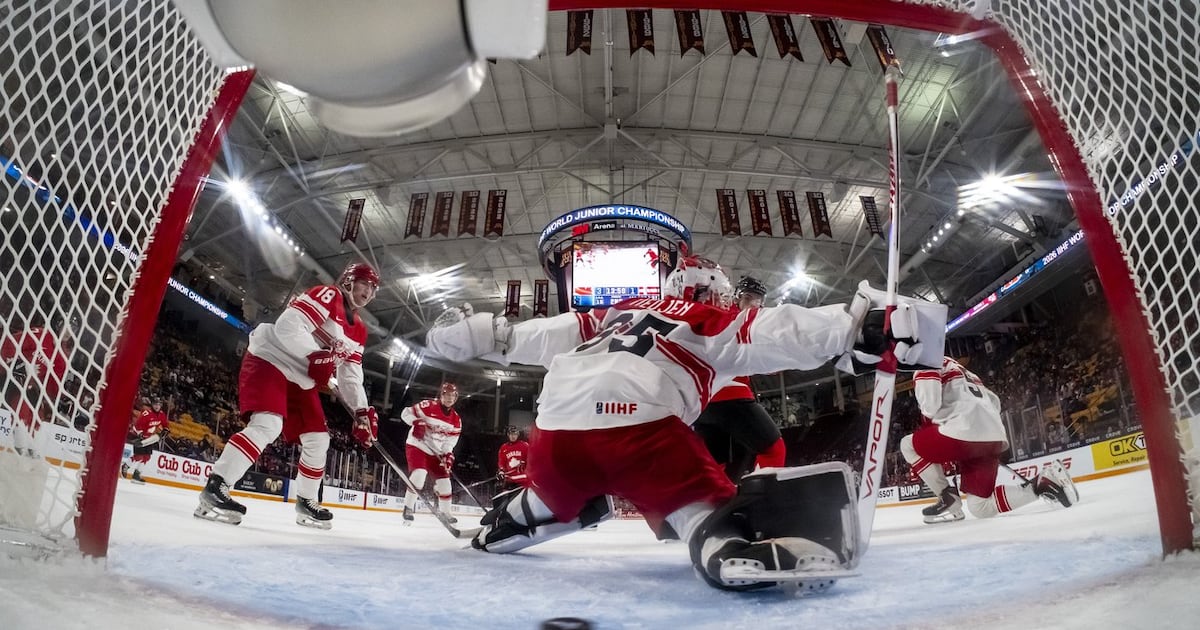
Canada has taken a firm stance on international competition by announcing that Russian hockey players will not be permitted to enter the country to participate in the upcoming IIHF World Junior Championship. The decision, delivered directly by Prime Minister Mark Carney, firmly closes the door on Russia’s involvement in the tournament, despite recent efforts at the international level to clear a path for their return.
The announcement places the host nation in direct opposition to international sports arbitrators. Just days prior, the Court of Arbitration for Sport ruled that Russia must be reinstated to international hockey competitions, paving the way for their junior squad to take the ice. However, Canada’s federal government exercised its authority over immigration and entry visas to override that determination, effectively enforcing a ban on Canadian soil regardless of outside directives.
Foreign Policy Overrides the Rink
The intervention highlights a growing divide between global athletic governing bodies and individual sovereign nations handling foreign policy. While international federations have faced pressure to readmit athletes under neutral flags or restored status, national governments retain ultimate control over who crosses their borders.
For Canada, where hockey carries immense cultural weight and hosting the World Juniors brings intense public focus, the government's move takes the matter out of the hands of sports administrators. The national hockey association had faced mounting calls to clarify its position, but the federal mandate bypassed the need for a domestic sports ruling altogether.
Reactions to the decision emphasize the complicated balance between global diplomacy and athletic competition. As one observer noted, taking a firm stance carries weight on the world stage: "It took some strength of character to take this position knowing that there would be a shitload of abuse. Russian players would have made for a better sporting event but someone has to stand up and take in the big picture."
Balancing Athletics and Accountability
While the decision reinforces Canada's broader geopolitical stance, it also ignites ongoing debates about the fairness of barring young athletes from major career milestones. The World Junior Championship serves as a premier showcase for NHL prospects, and missing the event alters the trajectory for an entire cohort of rising talent.
Critics of total athletic bans point out that individual competitors often have no control over the actions or policies of their home nations. Conversely, proponents argue that international sports cannot operate in a vacuum, isolated from world events and global norms. "I really feel for those young players that have worked hard to get where they are but fully back Carney," shared one commentator, reflecting the widespread tension between sympathy for young players and support for state-level decisions.
By barring the Russian squad, Canada joins a broader movement of nations taking direct action regarding international athletics, signaling that hosting major tournaments comes with the right to enforce national policy over international sports mandates.

