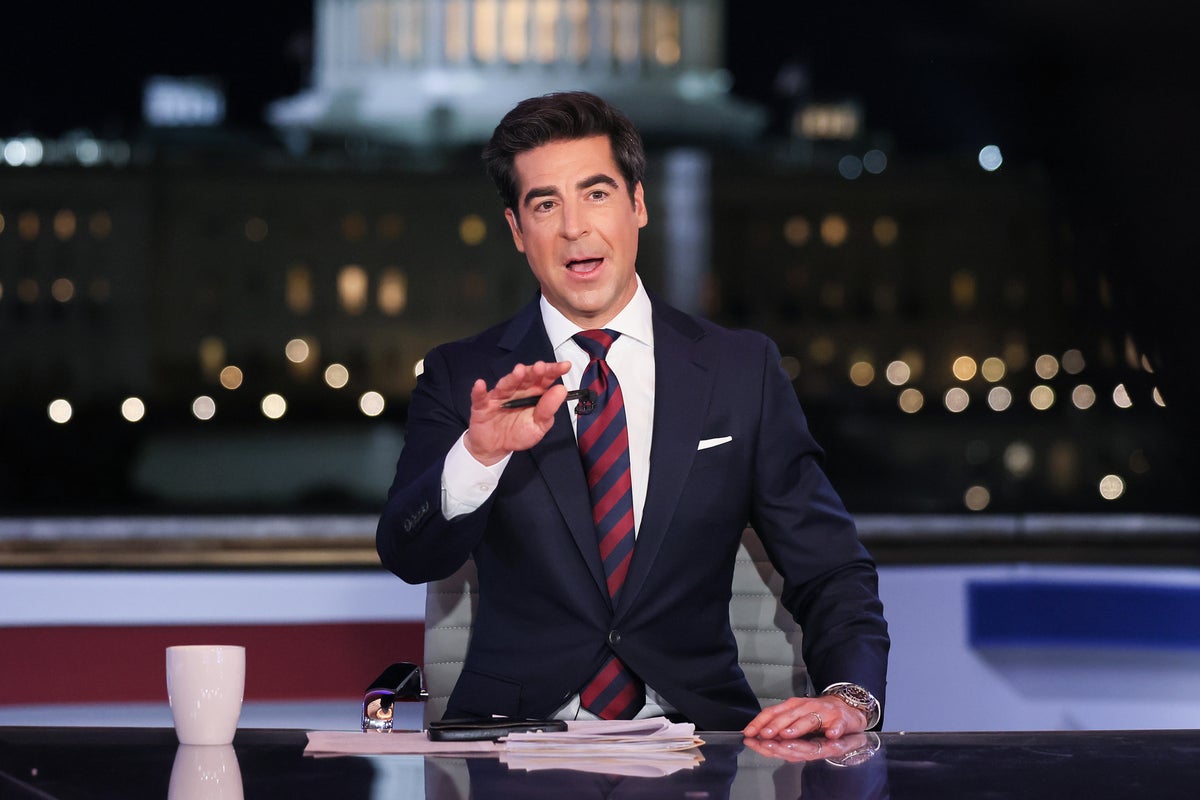
In a striking moment of on-air candor, Fox News host Jesse Watters voiced deep misgivings about the outcome of the midterm elections before voting results had fully materialized. Speaking during a broadcast of The Five, the prominent conservative commentator laid bare his anxiety regarding high-stakes races across the country, particularly the battle for control of the United States Senate.
Watters described a pervasive sense of dread heading into the evening, comparing the political landscape to an uphill battle where damage control becomes the primary objective.
“I don’t feel great. I feel like I’m about to play a game that I know I’m going to lose; I’m just trying not to get hurt. And getting hurt would mean you lose the Senate. And right now the Senate is very much in play, and it’s making me angry.”
The Challenge of Voter Mobilization
The broader election context was defined by narrow margins in both chambers of Congress. With Democrats needing to flip four seats in the Senate and three in the House to capture majorities, key races across traditionally reliable regions became fiercely contested. Despite intensive campaign travel and large-scale rallies hosted by Donald Trump to energize the conservative base, questions remained about whether top-of-ticket enthusiasm translated directly to down-ballot midterm contests.
Watters illustrated this motivational gap through a personal anecdote involving home contractors working at his residence. He noted that while core supporters might turn out enthusiastically when Trump himself appears on the ballot, rallying those same voters for midterms presents a distinct operational hurdle.
“I have two white contractors at the house… and I’m like, ‘Did you guys vote?’ and they’re like, ‘Not yet,’ and I’m like, ‘Come on! Leave my house and go vote!’ But I kinda wanted them to get going, so they didn’t.”
He expanded on the dilemma facing the party, arguing that attempting to treat midterms as a direct proxy for a presidential run creates an unavoidable disconnect for voters.
“Now if Trump was on the ballot, these guys would have already voted, you know. You’ve got two middle-aged white guys, they would have been there… but he’s not on the ballot. So we’re just supposed to pretend, and we’re all pretending he’s on the ballot, but really deep down we know he’s not on the ballot.”
Media Friction and Broadcaster Tensions
The stark assessment on air drew immediate reactions across the media landscape, underscoring broader friction within conservative network coverage. Trump expressed frustration with the broadcast on social media, publicly criticizing network commentary and pointing to internal debates among co-hosts as a point of contention. In particular, political commentary from left-leaning panelist Jessica Tarlov drew sharp criticism from the former president, who announced on Truth Social that he was switching off the program entirely.
Trump also took aim at the network's overall viewership metrics, alleging that coverage decisions were impacting ratings and asserting that his individual standing among voters remained distinct from party performance. Public polling highlighted additional complexity, with exit polls from CBS News indicating a 38 percent approval rating for Trump during the period—a dynamic that highlighted the complicated electoral balance conservative strategists were navigating.
Public Reaction and Demographic Nuance
Watters' focus on specific voter demographics generated significant discussion online, with many observers pointing out the diverse voting patterns that exist within middle-aged male working-class demographics. Public responses highlighted that demographic background alone does not dictate political allegiance, as voters across varied backgrounds shared their own choices at the polls.
“I am also a straight white guy who went straight Democrat.”
Other voters emphasized that party alignment during midterm cycles often pivots on specific local issues or candidate character rather than national party messaging.
“Right? I am a moderate and often times switch parties depending on the person's character.”
As election night progressed, the candid commentary from one of cable news's most visible figures captured the tension of a political party grappling with base mobilization, media scrutiny, and the unpredictable nature of midterm turnout.

