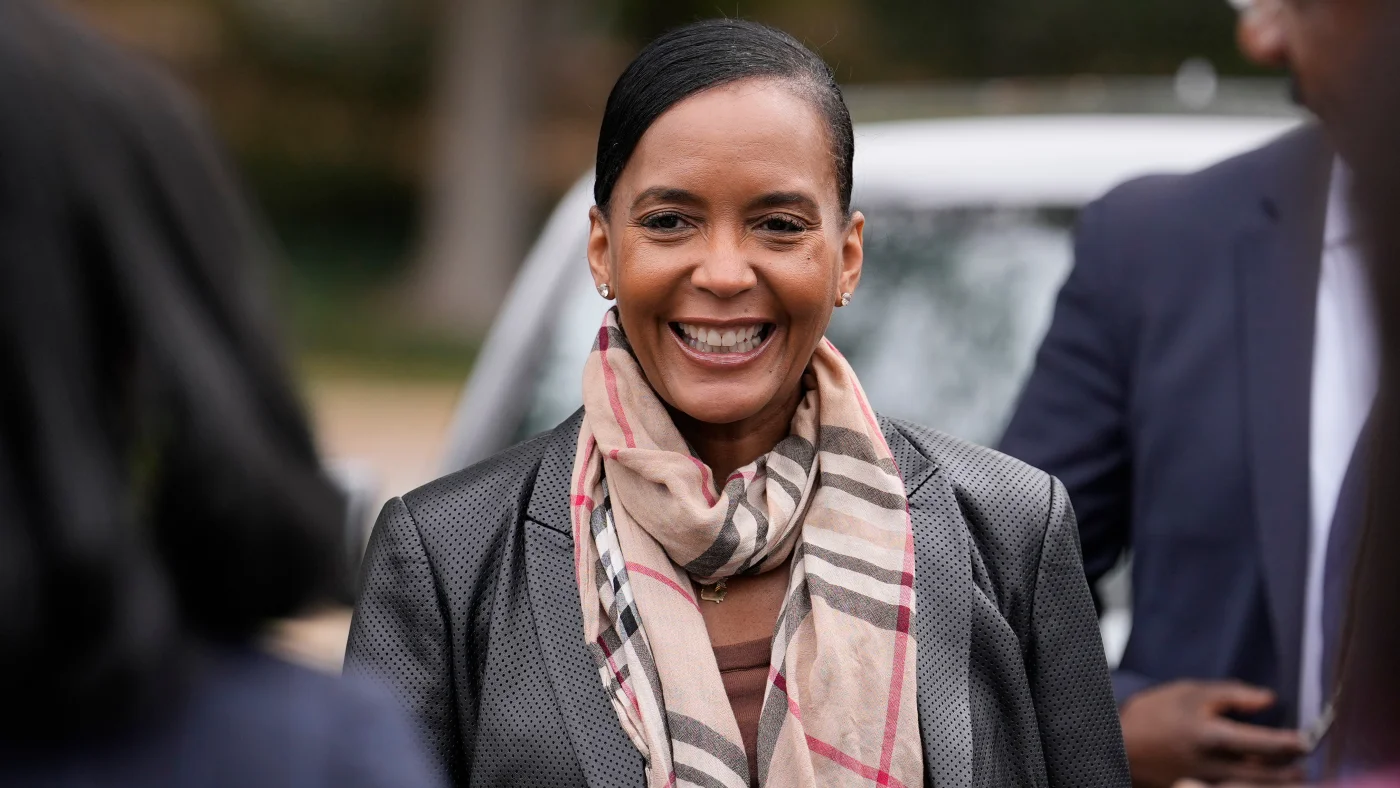
Former Atlanta Mayor Keisha Lance Bottoms has won the Georgia gubernatorial election, making history as the first Black female governor elected in the United States. Her victory marks the first time in more than two decades that a Democrat has captured the governor's office in Georgia, bringing an end to a long-standing Republican hold on state executive leadership.
Bottoms, 56, defeated Republican nominee Rick Jackson, a billionaire healthcare executive who won a primary runoff earlier in the year. The hard-fought contest reflected Georgia's ongoing evolution from a reliably conservative stronghold into one of the nation's most closely watched political battlegrounds.
Campaign Debates and Top Issues
Throughout the campaign, economic proposals and state infrastructure dominated the debate. Bottoms anchored her platform on key policy commitments, including the full expansion of Medicaid within Georgia—a measure requiring state legislative approval. To address rising living costs, she proposed allowing local municipalities to eliminate sales taxes on groceries and advocated for eliminating the state income tax for public school teachers.
The rapid expansion of technology infrastructure across Georgia also emerged as a central talking point, particularly as the state leads the nation in new data center construction. Bottoms expressed support for a temporary moratorium on new data center developments to assess their long-term impact on power grids and natural resources. During an October debate with Jackson, she emphasized bringing experts together to guide future state planning for energy and infrastructure.
Jackson's campaign focused heavily on his background in business and criticism of urban municipal administration. Opponents highlighting municipal crime trends during the COVID-19 pandemic made up a core part of Jackson's attack strategy against Bottoms' record as mayor of Atlanta from 2018 to 2022.
Endorsements and Political Dynamics
National figures played a prominent role in shaping candidate profiles during the race. Bottoms campaigned alongside Democratic leaders, securing endorsements from former Presidents Barack Obama and Joe Biden, while regularly making campaign appearances with Democratic U.S. Senator Jon Ossoff.
Jackson gained support from prominent national and state Republicans, securing the endorsement of outgoing Georgia Governor Brian Kemp after winning the Republican primary runoff. Though Jackson leaned on federal political endorsements during the contested primary phase, his general election strategy centered primarily on local economic growth and conservative state governance.
A Historic Milestone in State Politics
Bottoms' election represents a notable moment in national political history, marking the first time a Black woman will serve as a U.S. state governor. The landmark result underscores years of shifting voter turnout patterns and demographic changes across the state.
Reactions from observers and voters highlighted the weight of the milestone:
"This is a revolution for American democracy."
Others reflected on the decades of multi-cycle grass-roots organizing across the state that paved the way for the historic breakthrough:
"The stuff that's happening in Georgia is revolutionary."
Despite the victory at the top of the ticket, the incoming administration will navigate a divided legislative landscape, as Republicans are projected to retain majorities in the state legislature. Bottoms will assume office facing immediate policy discussions around healthcare expansion, public education funding, and economic development standards.

