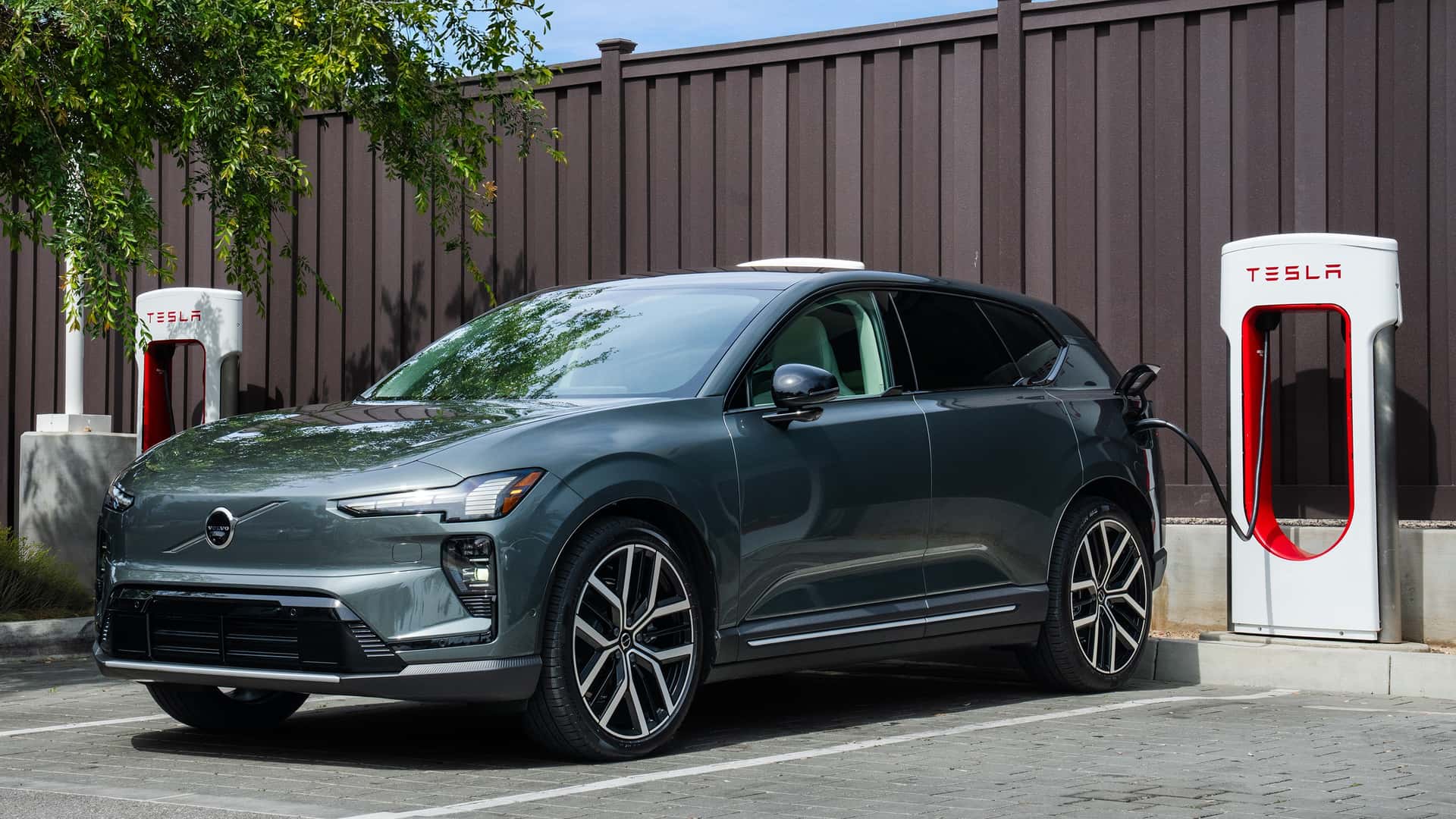
Volvo is facing significant headwinds in the United States, with company executives openly acknowledging that achieving profitability has proven difficult amid shifting market dynamics, fluctuating tariffs, and a rapidly evolving automotive landscape.
During a recent third-quarter earnings call, Volvo's Chief Commercial Officer, Erik Severinson, noted the severity of the current climate, stating that the American market has been difficult to navigate and that consumer sentiment toward the brand sits at a 50-year low. Chief Executive Officer Hakan Samuelsson also pointed to strategic oversights regarding potential tariffs, admitting that the company should have anticipated these trade pressures and moved faster to establish localized manufacturing.
EV Adoption Friction and Production Hurdles
Compounding these financial pressures is a broader misalignment with the pace of electrification in the U.S., which has lagged behind other global regions. While Volvo initially leaned heavily into a full-electric strategy, slowing consumer demand stateside forced the company to pull prospective high-volume battery-electric vehicles like the EX30 and EX40 from the American lineup. Meanwhile, upcoming models facing production challenges, such as the much-anticipated EX60, have seen their U.S. arrivals delayed as European markets take priority.
Volvo's production facility in South Carolina is currently operating below full capacity, building the EX90 with plans to introduce additional multi-powertrain vehicles by the end of the decade. Leadership now acknowledges that survival and growth in the American market require greater flexibility, emphasizing a return to a diverse mix of all-electric, plug-in hybrid, and traditional hybrid configurations.
Consumer Friction Points: Technology and Usability
Beyond macroeconomic factors and trade policy, everyday drivers have increasingly pointed to design and user interface frustrations as a barrier to adoption. Many prospective buyers and recent lessees have expressed frustration over the heavy reliance on touchscreen-driven controls for essential climate and audio functions, echoing a sentiment that physical knobs and buttons remain vital for safety while driving.
I regularly drive crazy roads so a safe EV is the goal but I need knobs dammit, cannot safely take my eyes off the road very often.
Others noted similar ergonomic hurdles, pointing out how routing routine tasks through sluggish or complex digital menus detracts from the premium driving experience expected at this price point.
Navigating the menu is slow. If an option takes 1 second to load - it feels like FOREVER because our phones are so fast, and because I’m fucking driving and don’t wanna take my eyes off the road.
Strategic Pivot Ahead
As Volvo works to revitalize its American presence, the path forward relies heavily on mitigating tariff exposure through localized manufacturing and offering the varied powertrain options that modern U.S. buyers demand. Whether these structural adjustments and product pivots will be enough to win back skeptical consumers and restore profitability remains to be seen.

